January 26, 2026
Attending beauty school offers a unique opportunity to gain hands-on skills, explore creative passions, and prepare for a fulfilling career in the dynamic beauty industry. From hair styling and skincare to nail technology, students acquire a comprehensive education that combines practical experience with theoretical knowledge. Beauty school programs equip students with the confidence and technical expertise needed to serve a variety of clients and succeed in professional environments. Beyond technical skills, students also develop interpersonal abilities and business awareness that contribute to long-term career success. In this article, we will explore the key benefits of attending beauty school and the opportunities it provides for personal and professional growth.
1. Develop the Skills of Hair, Makeup, and Nails
Master Technical Skills in Hair, Makeup, and Nails
Beauty school provides in-depth training in core technical areas such as hair cutting, coloring, and styling. Students also learn professional makeup application techniques suitable for daily and special occasions. Nail technology is an integral component, covering manicures, pedicures, and artificial nail applications. This comprehensive skill set prepares graduates to provide a full range of beauty services to diverse clients.
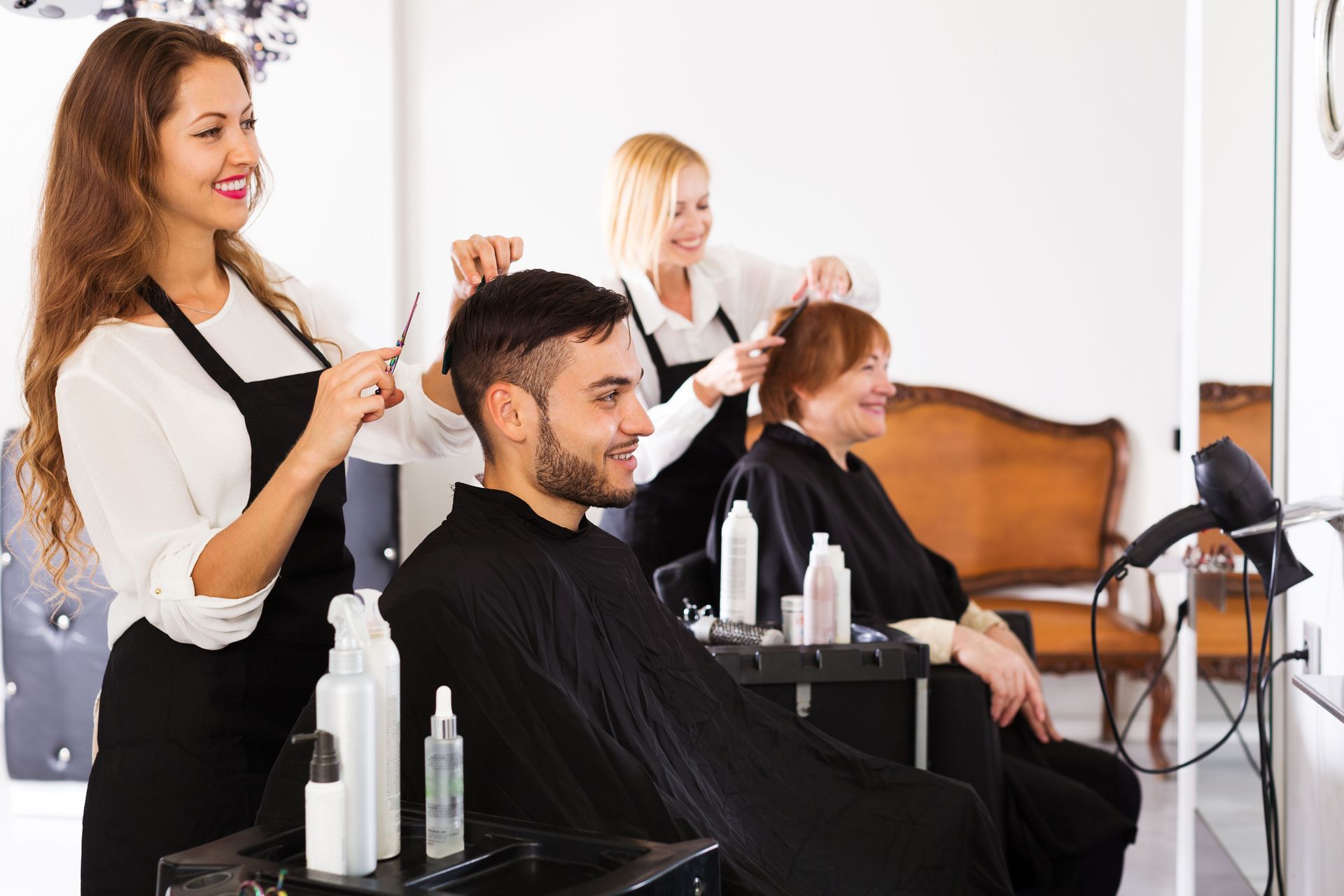
Students apply these skills in practical, hands-on settings, allowing them to build proficiency and confidence. Training emphasizes current trends and industry standards, ensuring graduates remain competitive. Through guided practice with peers and supervised client interactions, students gain experience that mirrors real-world salon and spa environments.
Build Client Interaction and Professional Customer Service Skills
Successful beauty professionals excel not only in technical skills but also in client interaction. Beauty school emphasizes communication, teaching students how to listen carefully to clients' needs and provide thoughtful, professional advice. Role-playing and simulated consultations help students develop empathy, professionalism, and problem-solving abilities. These interpersonal skills enable graduates to build strong client relationships, improve customer satisfaction, and foster repeat business.
2. Explore the Opportunities of a Beauty Career
Examine Career Paths in the Beauty Industry with Projected Growth
Graduates of beauty school can pursue careers as hairstylists, nail technicians, or beauty instructors. Cosmetology training prepares students for salon work, while esthetics programs focus on skin care treatments and wellness services. Nail technology students specialize in professional manicures and pedicures. Many graduates also choose to start their own businesses or provide freelance services, allowing them to apply their skills independently. According to Gitnux, employment of barbers, hairstylists, and cosmetologists is projected to grow 11% from 2021 to 2031, highlighting the continued demand for trained professionals.
Assess Job Outlook and Professional Opportunities
The beauty industry continues to grow, providing strong demand for trained professionals. Skilled graduates can find employment in salons, spas, and wellness centers. Those who cultivate a loyal client base or establish their own businesses have opportunities to expand their reach and develop sustainable careers. Beauty school equips students with the foundational knowledge and experience needed to succeed in a range of professional settings.
3. Navigate the Process of Completing Beauty School
Understand Program Length and Flexible Scheduling Options
Beauty school programs vary in length depending on specialization and schedule. Arkansas Beauty School offers full-time and part-time programs with weekly enrollment, allowing students to begin their training conveniently and progress at a pace that fits their lifestyle. The programs combine classroom learning with hands-on practice, ensuring students gain both knowledge and experience in all areas of beauty.
Leverage the Benefits of Flexible Program Choices
Flexible scheduling allows students to balance personal commitments while completing their education. Full-time programs offer immersive learning for quicker entry into the workforce, while part-time options provide more gradual training. This flexibility helps students achieve their educational and career goals efficiently without compromising the quality of instruction.
4. Manage the Financial Aspects of Beauty School
Plan for Tuition, Supplies, and Necessary Equipment
The cost of beauty school includes tuition, supplies, and equipment necessary for hands-on training. Students should plan for textbooks, beauty kits, uniforms, and any additional materials required by the program. Budgeting for these expenses helps ensure a smooth educational experience without unexpected financial challenges.
Utilize Financial Aid and Flexible Payment Options
Beauty schools, including Arkansas Beauty School, provide financial assistance options to support students in managing costs. Federal financial aid, grants, and flexible payment plans may be available to eligible students. Understanding and utilizing these resources allows students to focus on their studies and professional development with confidence. Planning for financial needs early can help students avoid unnecessary stress and fully engage in the learning experience.
5. Evaluate the Factors of Choosing the Right Beauty School
Assess the Quality of Education and Program Offerings
When selecting a beauty school, students should evaluate the curriculum, hands-on training opportunities, and support services. A strong program provides both technical and practical skills in cosmetology, esthetics, and nail technology, preparing students for state licensing and career readiness. The quality of instruction and learning environment directly impacts a student’s success and future opportunities in the beauty industry.
Consider the Learning Environment and Professional Facilities
The school’s facilities, instructors, and overall environment play a key role in shaping the educational experience. Prospective students should consider how well the school supports hands-on training, client interaction, and professional development. A supportive and professional learning environment fosters creativity, confidence, and skill mastery, essential for a thriving career in beauty.
6. Gain the Experiences of Beauty School Training
Engage in Hands-On Experience and Practical Learning
Hands-on training lies at the heart of a beauty school education, forming the foundation for skill mastery and professional confidence. Students have the opportunity to practice a wide variety of techniques on mannequins, peers, and, under careful supervision, real clients. This kind of experiential learning allows students to refine their abilities in a safe and supportive environment, gradually building both precision and efficiency.
Absorb Classroom Learning and Foundational Theory
Complementing the practical training, classroom instruction provides a structured understanding of the science and principles that underpin beauty services. Students explore topics such as hair and skin biology, nail care fundamentals, and essential sanitation practices, gaining the knowledge needed to provide safe, effective, and professional treatments. This theoretical foundation supports students in making informed decisions, troubleshooting challenges, and applying techniques with greater precision.
7. Focus on Specialization in Beauty School
Explore Areas of Specialization Offered in Cosmetology, Esthetics, and Nail Technology
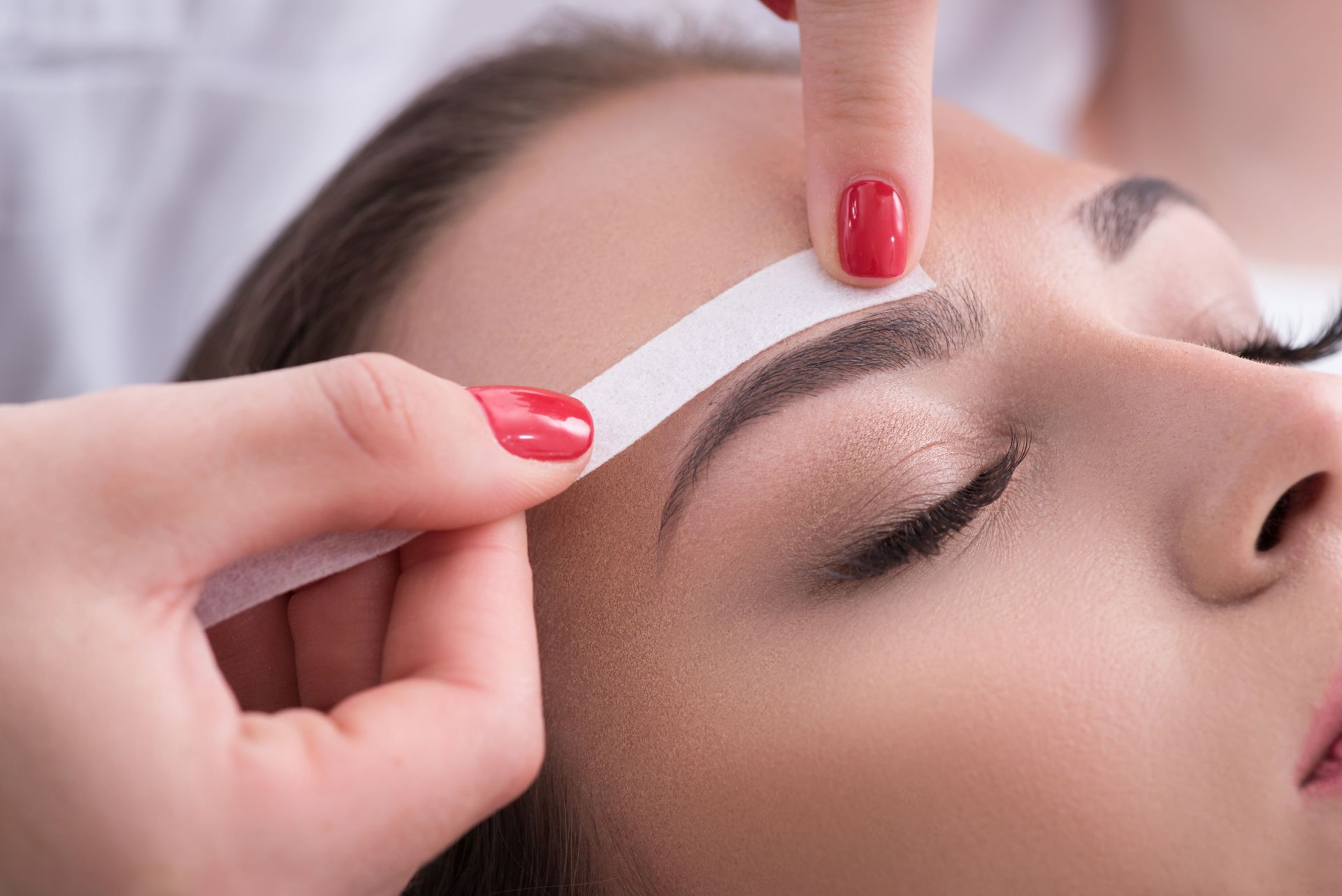
Students can focus on cosmetology, esthetics, or nail technology, gaining in-depth training. Cosmetology emphasizes hair cutting, coloring, and styling, along with makeup application. Esthetics programs teach facials, waxing, and skincare treatments. Nail technology covers professional manicures, pedicures, and artificial nail services. These specializations prepare students for careers in salons, spas, or instructional roles within the beauty industry.
Understand the Benefits of Developing Expertise in a Specialized Field
Specializing allows students to develop expertise in a particular area, enhancing their skill set and employability. Focused training helps graduates stand out in the job market, attract clients seeking specific services, and pursue careers aligned with their personal interests and strengths. Mastery of a specialization builds confidence and opens doors to professional growth.
Attending beauty school equips aspiring professionals with hands-on training, practical skills, and knowledge essential for careers in cosmetology, esthetics, and nail technology. Arkansas Beauty School Little Rock offers flexible programs and supportive instruction designed to prepare our students for real-world success in the beauty industry. To explore these opportunities and take the next step in your career, learn more about what Arkansas Beauty School Little Rock has to offer.